Cottongrass is one of those plants
I immediately associate with the
Scottish hills.
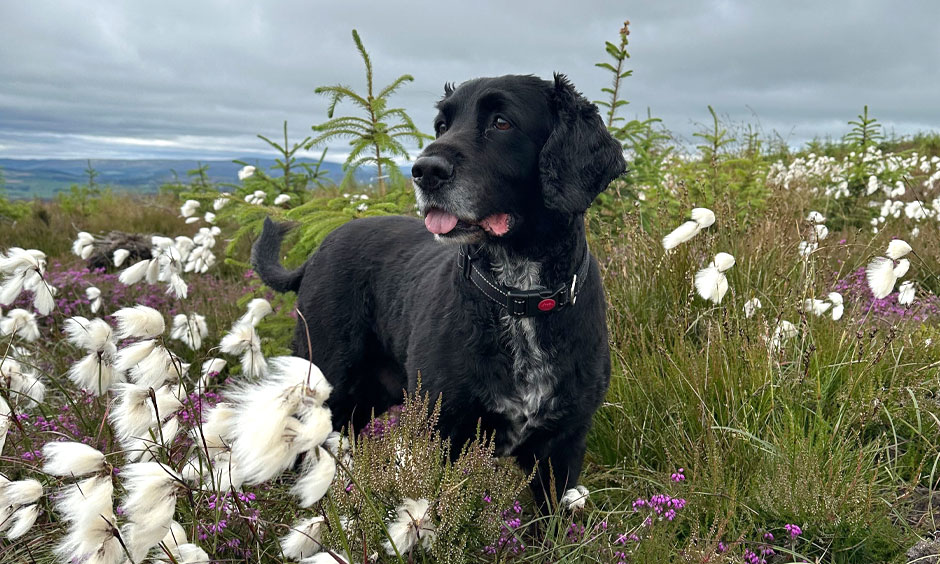
Seeing its white, fluffy heads scattered across dark, boggy moorland is a familiar sight on Bennachie and many of the surrounding hills.
It had also just become the second plant I chose for my final-year botanical illustration project, 5 Plants of Bennachie, which meant it was time to look at it more closely.

Finding Cottongrass
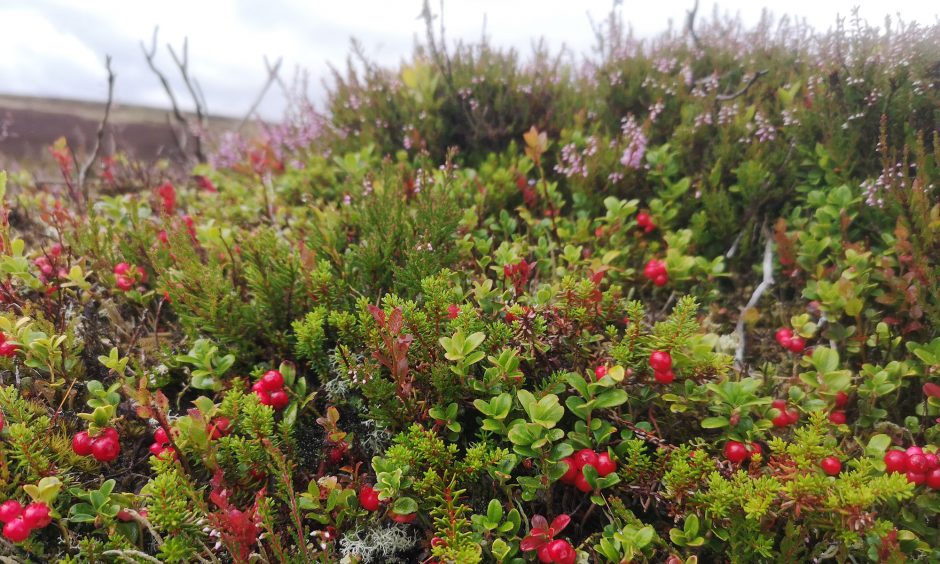
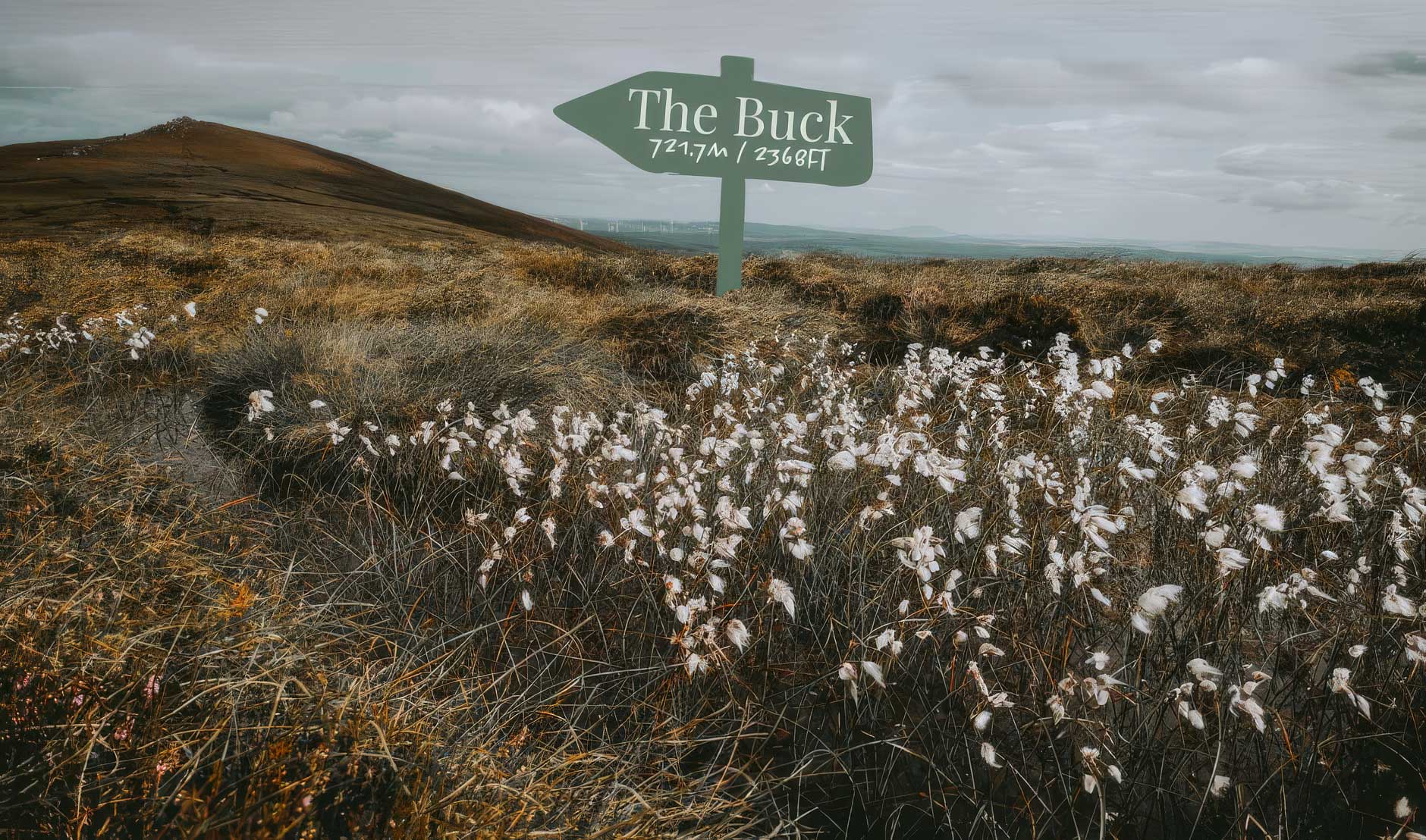
One of the places I’d recently encountered it was the Buck of Cabrach, a wonderfully wild stretch of heath and moorland. It’s a walk I’d definitely recommend saving for a relatively dry spell, as the ground around the summit can become very boggy.
Of course, those wet conditions are exactly what make places like this such good habitat for cottongrass.
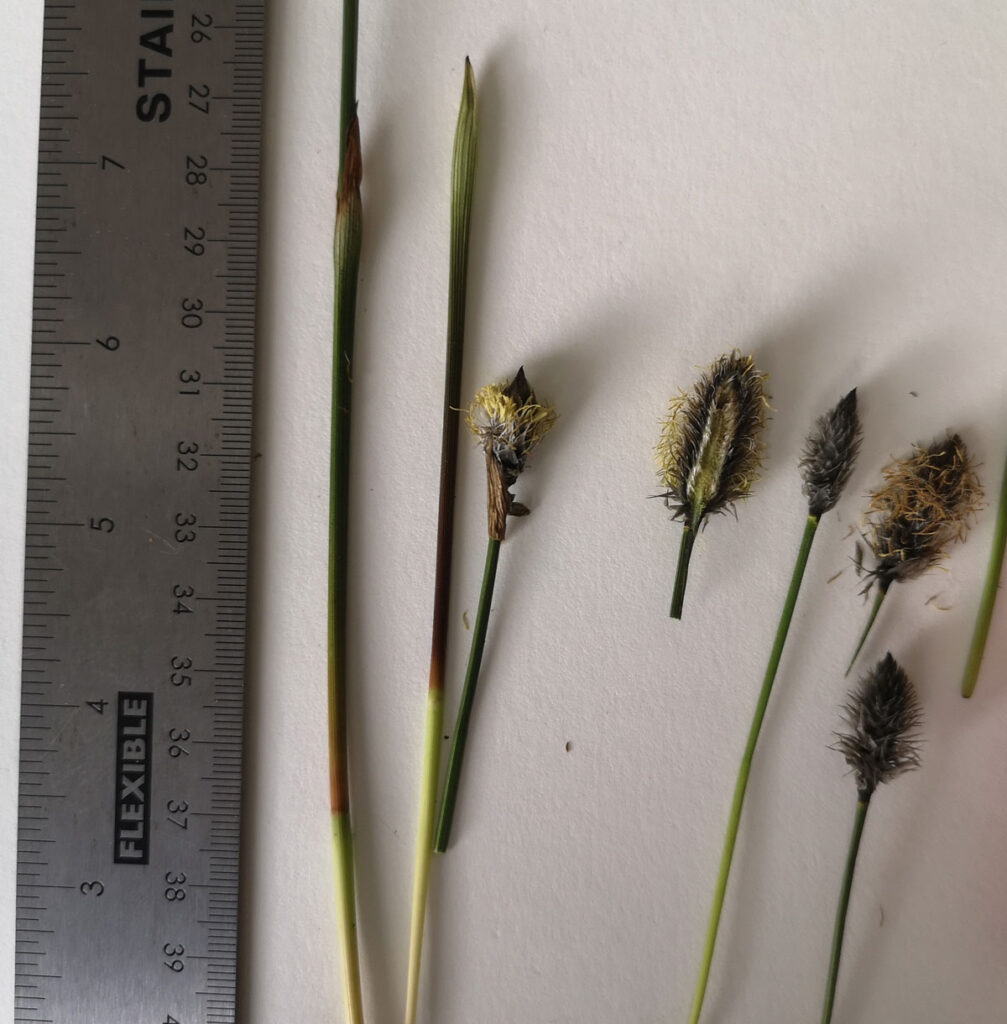
Before the familiar white heads appear, the plant can be surprisingly easy to overlook among the surrounding vegetation. The flowers are held within spikelets with dark, papery glumes, and as the season progresses, the plant changes considerably.
After flowering and fertilisation, the bristles surrounding the developing fruits lengthen to create the silky white heads we associate with cottongrass. These bristles help the wind carry and disperse the fruits.

Not Actually a Grass
Despite its common name, cottongrass isn’t actually a grass. Eriophorum belongs to the sedge family, Cyperaceae.
Cottongrasses are plants of wet habitats, particularly bogs, mires and other areas of wet, peaty ground. These are exactly the conditions in which I so often come across them while walking in the hills.
The white heads aren’t cotton either. What looks like a mass of soft cotton fibres is actually made up of numerous fine bristles associated with the fruits.
Historically, people have nevertheless found uses for them. Cottongrass heads have been used as a substitute for feathers in pillow stuffing, and in Scotland cottongrass was collected for use as wound dressings during the First World War.
From Fieldwork to Painting
For me, though, the challenge was rather different.
How was I going to paint all that fluff?
Choosing a plant for a botanical painting means looking beyond the feature that first catches your attention. I needed to understand what lay beneath those white heads, how the plant changed through its different stages, and which details mattered in the finished illustration.
That meant more fieldwork, photographs, specimens, measurements and plenty of close observation before I even began thinking seriously about the final painting.
Cottongrass might look soft and simple from a distance, but up close there was much more to discover.